Megan Gerard O'Connell rookie
Salt & Cedar
It was kismet
How long have you been printing?
1984.
Describe your first encounter with letterpress
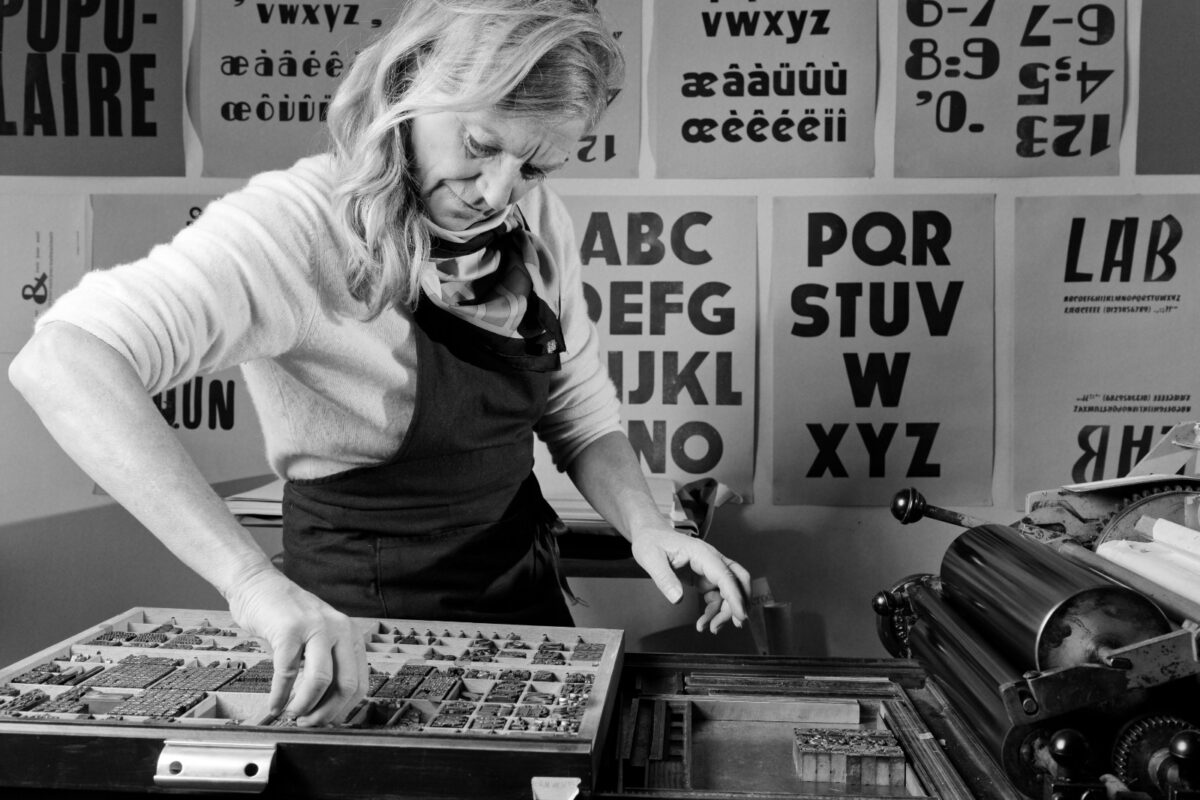
At MCAD, there was a basement room with proof presses and type that had all but been abandoned due to the appearance of the Macintosh. It became my portal to letterpress. I made a book and introduced it to the other students in my foundations class with a site-specific performance/reading. My use of this medium would, over time, prove to be multi-modal and multidisciplinary.
Where did you learn?
It was kismet. While at MCAD, I saw an article in the Sunday paper about the projected opening of a Book Arts center in Minneapolis' warehouse district. I called the director Monday, met with him, and was invited to be the first intern at Minnesota Center for Book Arts. I was, thus, able to take ANY classes I wished to in exchange for my help organizing the space and mounting exhibitions. Allan Kornblum, eventual founder of Coffeehouse Press, was the printer-in-residence, from whom I absorbed a great deal. I also learned Japanese and Western papermaking, all manner of bookbinding, and, eventually, led classes for children. It became an invaluable studio which I had 24/7 access to.
Who was your most influential teacher?
Professor Kay Amert who ran the Typography Lab [established by Harry Duncan] in the School of Journalism at the University of Iowa. Erik Spiekermann, more recently, when I was artist-in-residence at p98a.
What super power would you like to have?
To fly.
Do you prefer to work alone or with others?
Project-specific. For the past three [3] decades, I have been attracted to Gysin & Burroughs' concept of the Third Mind. It keeps manifesting in collaborations, and I feel as though I am able to readily 'go there', if the conditions feel right.
What do you most value in your friends?
Inquisitiveness, spirituality, verbal agility, openness, generosity, passion and a sense of humor.
When do your best ideas occur to you?
Writing in my journal.
If you were to die and come back as a typeface, which would it be?
Megano.
What tool do you use more often than any other?
A ruler in-tandem with a metal triangle.
What books are currently on your nightstand?
Le Pain des Anges signed by author Patti Smith [translated into French]; The Printed Performance by Brian Lane; two versions of the same collection of poems by Cole Swenson And and and [the original, in English] Et et et [the French Translation]; Castles and Ruins by Rue Matthiessen; Merriam-Webster's French-English Dictionary.
If you have your own shop, what equipment do you own?
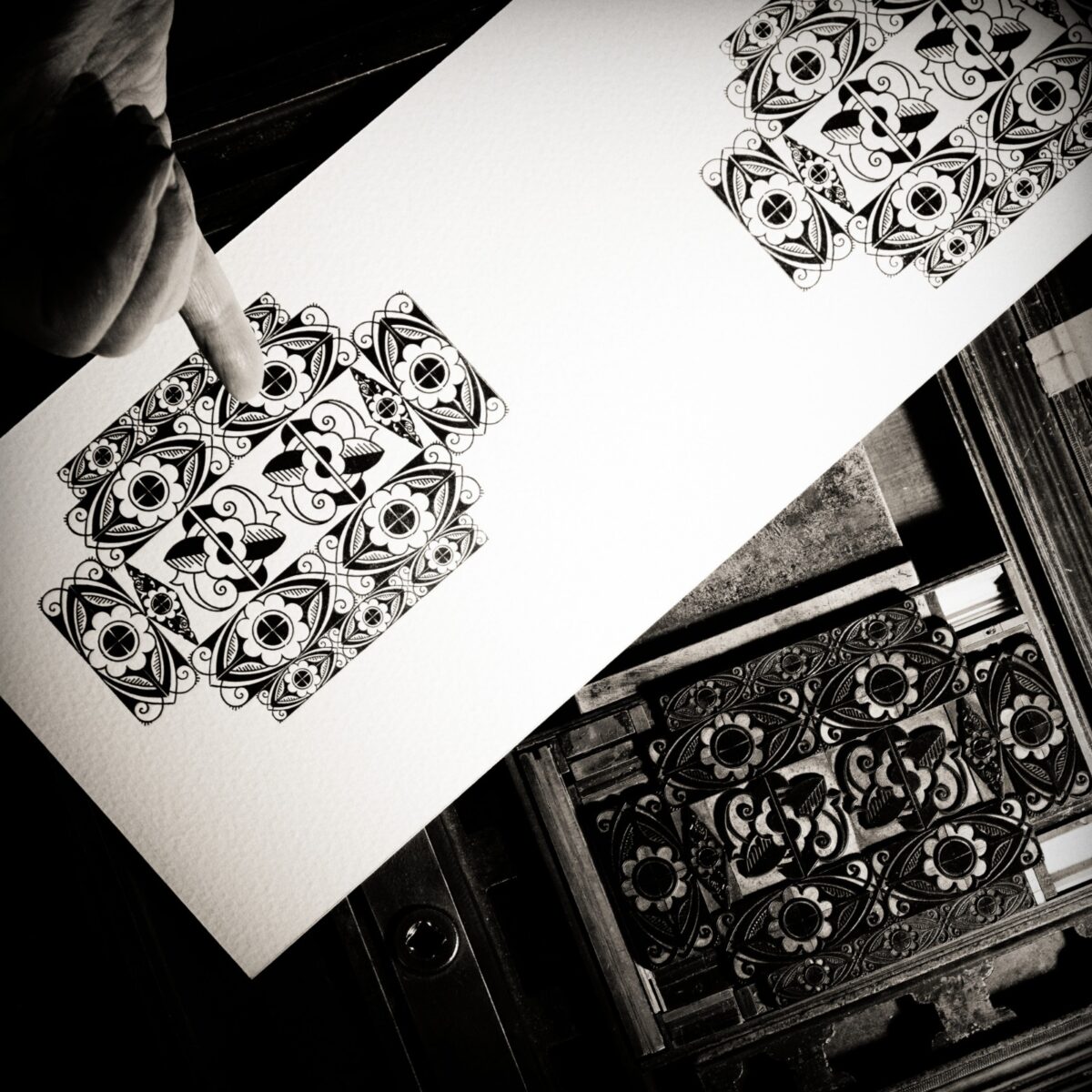
Paris: Vandercook SP 15 [1961] calibrated to European type height; a Golding Pearl manufactured in Boston in 1883; cases and cases of Excoffon's creations; anonymous French wood type; a “massicot”; a Baby Hermes typewriter; a Deberny & Peignot composing stand/galley rack/lead rack.
Detroit: Heidelberg black handle from the early 60's, saved from a trip to the scrapyard; a Kelsey; three Hamilton cabinets [two double-wide, the other double-tall]; an eclectic array of American type.
If you could change one thing about your shop, what would it be?
It would have a heated concrete floor.
When and where are you the happiest?
Generally, I am content, with each week bringing positive emotions melded with the darker ones. The ratio is ever-shifting.
What is your greatest fear/worry?
That our humanity is being eroded and—eventually—will be null, allowing for the proliferation of war and of exploitation all of the resources of our world once possessed.
What’s your day job?
Salt & Cedar, with a part-time position at SVA [NYC], offering Type History: stories, secrets, experiments and accidents [online].
Do you use any other techniques or media besides letterpress?
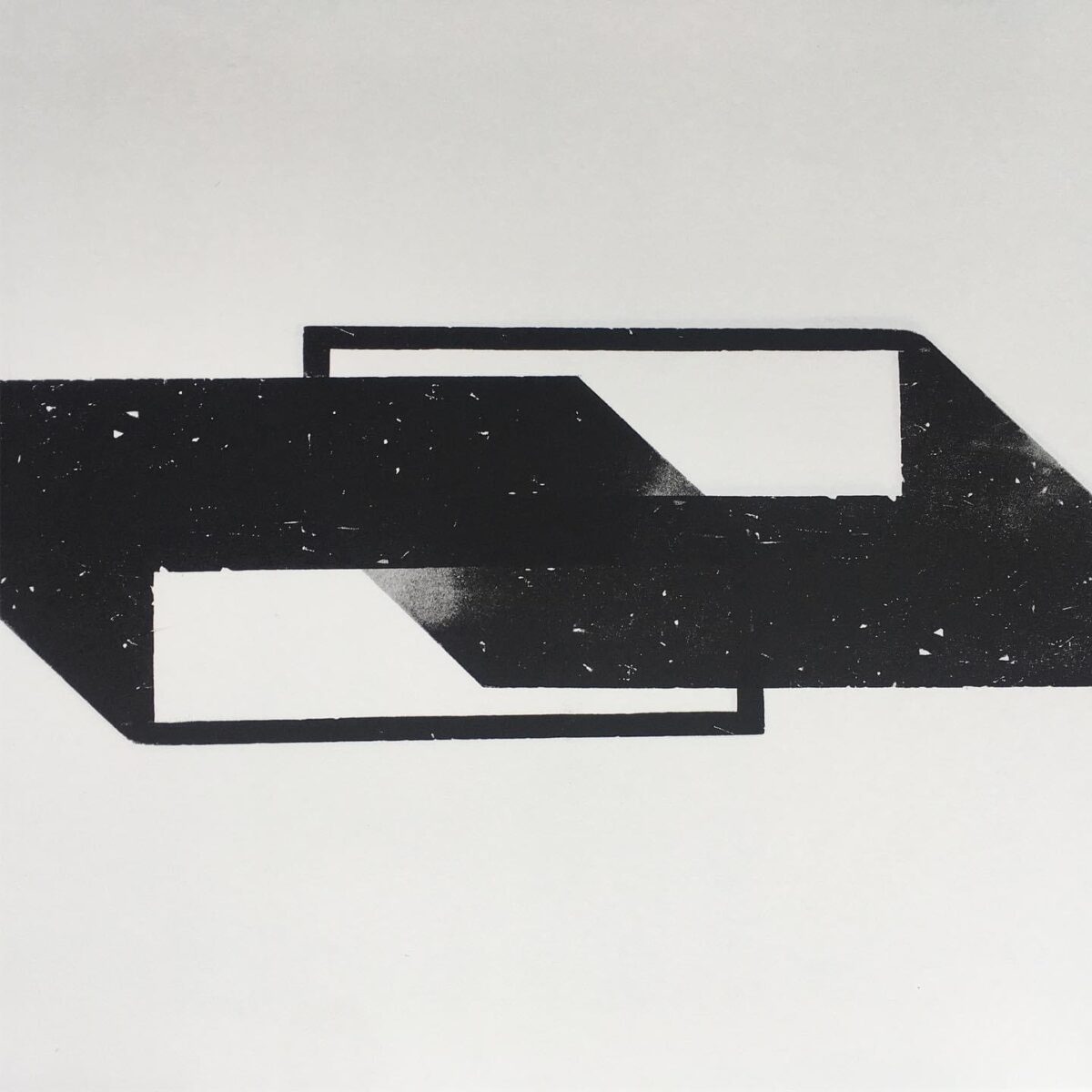
Pochoir, drawing, lithography, digital printing, experimental printing.